
What is known about electrical stimulation in wound care for people with SCI? Clinician expertise wanted.
26th February 2026
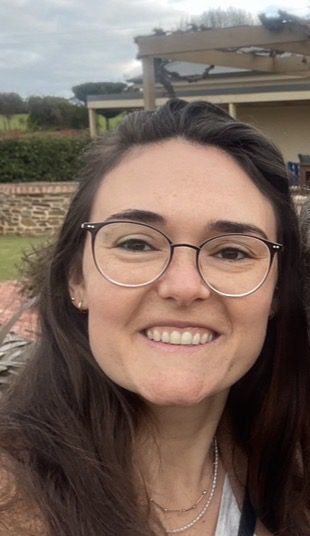
Lynn Blecher is a Senior Physiotherapist at the Spinal Injuries Unit at Prince of Wales Hospital in Sydney. As part of her Master’s in Neurological Rehabilitation, she is investigating how electrical stimulation can be used to promote healing of severe pressure injuries for people with spinal cord injury (SCI).
Pressure injuries are a major health concern for people with SCI. Reduced mobility, loss of sensation, poor circulation, and other health factors place this group at high risk. In Australia, around 30% of people with SCI have a pressure injury at any given time, and up to 85% will experience at least one in their lifetime. These wounds can lead to repeated hospitalisations, surgery, and long periods of bed rest requiring increased care. Pressure injuries have significant impacts on the independence, health and quality of life for the individual, and place increased strain on health services.
Electrical Stimulation (ES) can be used as an adjunct therapy to support and accelerate wound healing. ‘The treatment involves applying a small electrical current to the area around a wound to increase blood flow and encourage the body’s natural healing processes. Research shows electrical stimulation can reduce inflammation and speed up tissue repair, helping to prevent wounds from becoming chronic.’
‘Despite clinical recommendations stating that electrical stimulation is a useful addition to standard wound care, little is known about how widely it is used in real-world SCI settings or what clinicians think about its effectiveness and practicality.’
Lynn’s study aims to explore this gap by surveying and interviewing Australian health professionals who work in SCI care, including physiotherapists, nurses, occupational therapists, and rehabilitation doctors on pressure injury management practices. She also plans to gather perspectives from people with SCI who have experienced pressure injuries and explore how these were managed. Some of these responders may have received electrical stimulation for wound healing.
By understanding current practices, awareness levels, and barriers to using ES, the research hopes to improve wound management approaches and support better outcomes for people living with spinal cord injury.
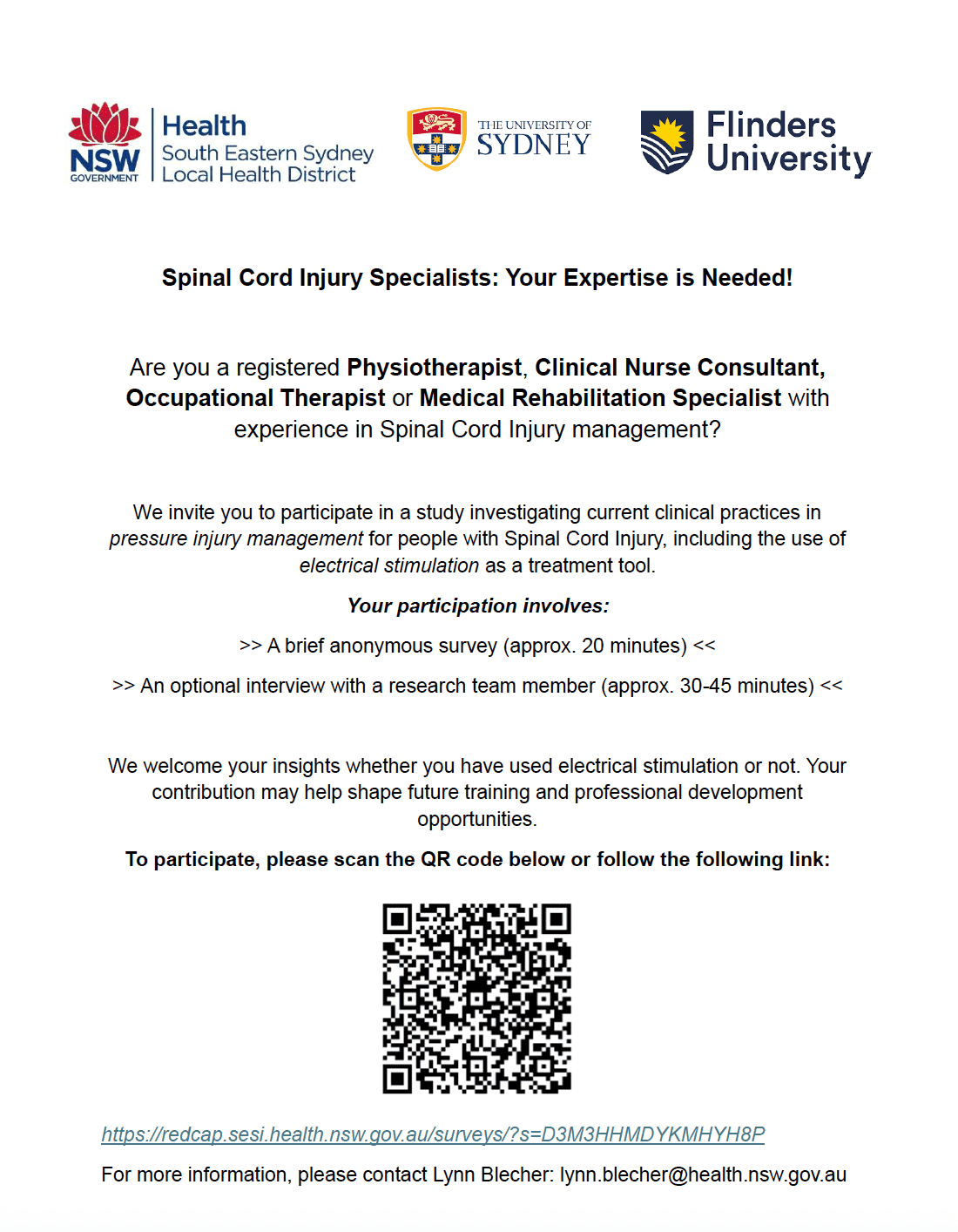
If you are you a registered Physiotherapist, Clinical Nurse Consultant, Occupational Therapist or Medical Rehabilitation Specialist with experience in SCI management and would like to participate in this study please email Lynn, lynn.blecher@health.nsw.gov.au
Ethics approval number 2025/ETH00438 through South Eastern Sydney Local Health District (SESLHD)
